
Better vacuum and better performance for quantum computing, cryogenics, CVD, and more
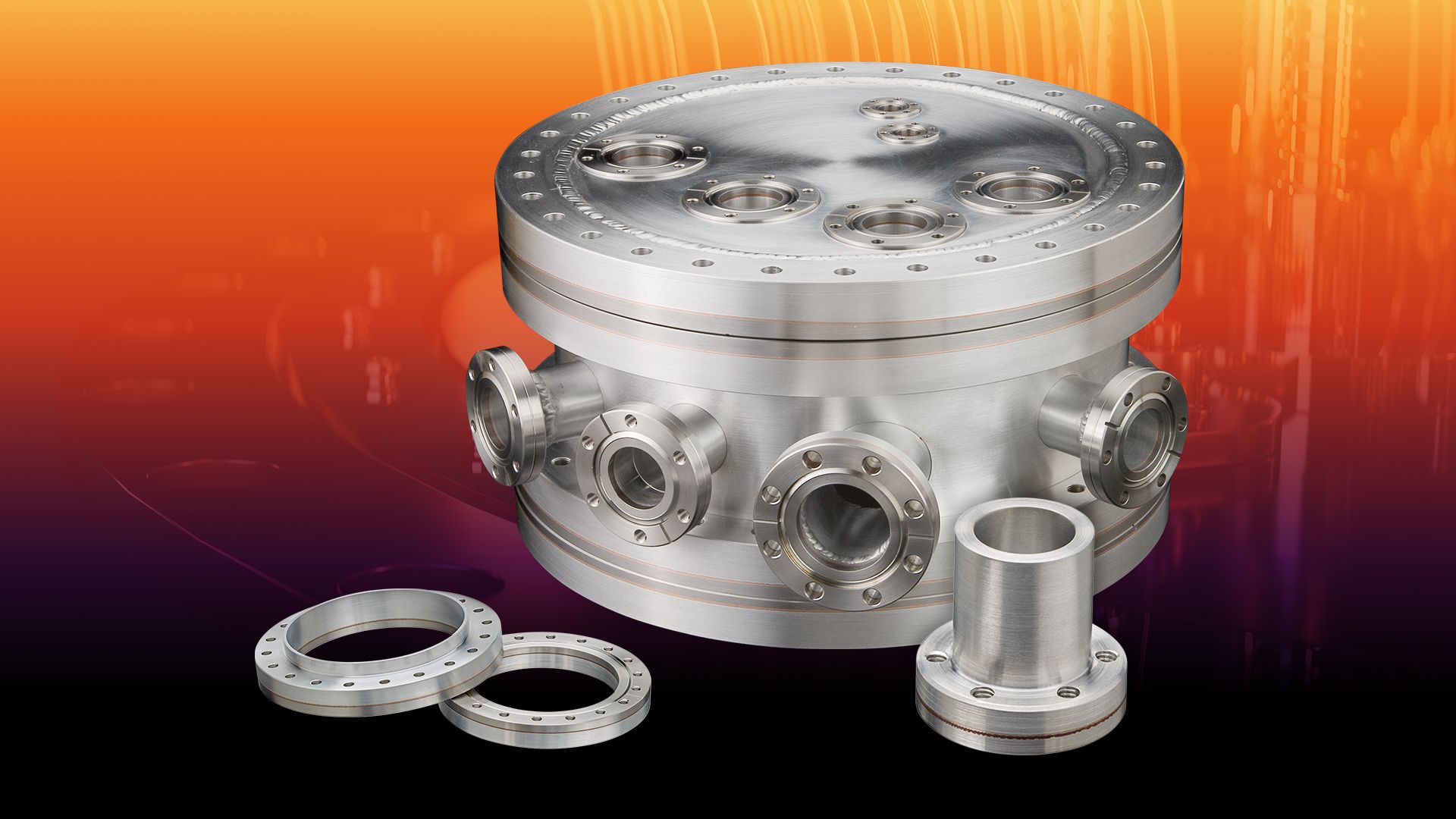
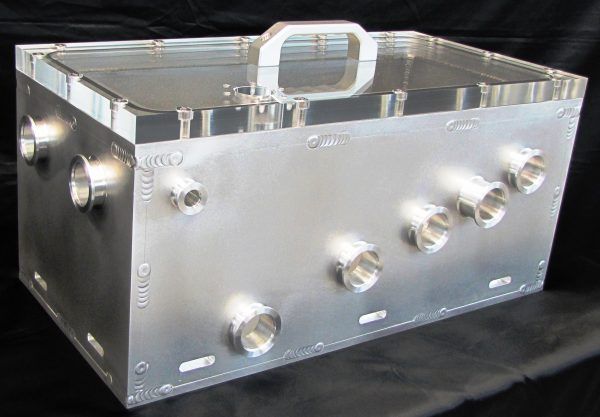
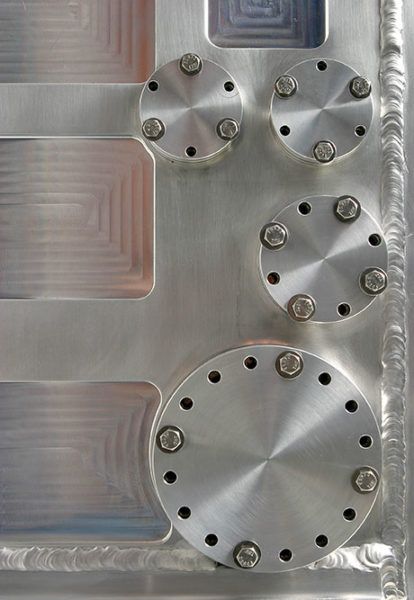
Lightweight, non-magnetic and contamination free, aluminum and vacuum chambers are ideal for semiconductor, quantum computing, and cryogenics. Bonded dissimilar metals are ideal as transitions between two metals that cannot be traditionally welded, such as aluminum and stainless steel.
1) LIGHTER WEIGHT - Lighter in weight and less expensive than stainless, aluminum is easier to manage, less costly to ship, and faster to machine. Although aluminum is not as strong as stainless steel, it can be manufactured with more material and still weigh less than a stainless-steel equivalent.
2) NON-MAGNETIC - Aluminum chambers are non-magnetic and offer no measurable disruption to electron and ion optics. Because magnetic disturbance can have detrimental effects, aluminum’s low magnetic permeability is especially effective in delicate research, quantum computing, and sensitive test environments.
3) THERMAL CONTROL - Aluminum conducts heat ten times better than stainless steel. This means that the chamber can be heated and cooled down much more quickly – without the undesirable hot and cold spots that affect stainless steel. In addition, the process of baking out impurities is faster and more complete.
4) LESS CONTAMINATION - Aluminum contains about ten million times less hydrogen than stainless steel. It also has little carbon and absorbs far less gas from the atmosphere when a chamber is opened. The result is greatly reduced vessel contamination.
5) VIBRATION DAMPENING - With significant vibration dampening, aluminum supports precision applications where excess vibration can have disastrous consequences. Aluminum is also better at dampening vibrations than stainless steel – making delicate measurements possible.
6) REDUCED RESIDUAL RADIATION - With a short neutron activated half-life, aluminum offers huge disposal savings and a priceless reduction in potential exposure to personnel. In contrast, stainless steel harbors radiation much longer especially when the metal contains recycled material.
7) BETTER BAKEOUT - Aluminum bakeout can be done at 150 °C, whereas stainless steel must be heated to 250 °C. In addition, aluminum vacuum chambers retain most of the gain from previous bakeouts, making them ideal for industrial applications where process up-time is highly valued.
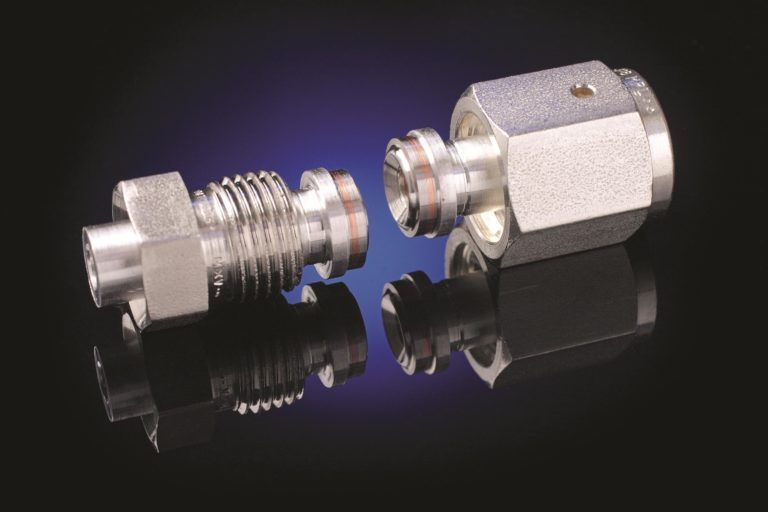
8) RELIABLE SOLID-STATE BIMETAL BONDS - The hermetic, molecular bond withstands extreme temperatures, corrosive environments and wrenching forces. The bonded metals can be machined and then welded to adjacent metals, creating a robust, long-lasting connection.
9) CONTRASTING PROPERTIES IN ONE MACHINED COMPONENT - Bonded metals exploit the positive traits and/or reduce the negative impacts of each metal. For example, conductive materials can be bonded to poor thermal conductors or lightweight metals bonded to stronger metals.
10) HEAT AND CORROSION RESISTANT TRANSITIONS - Bonded metal transitions manage heat more effectively than standard welds and corrosion is reduced, ultimately making joints stronger than standard welds.
Click here to download the Top 10 Reasons pdf.